Driveways, pads, slabs and footings
Concrete Contractor in Tooele, UT
Driveways, RV pads, shop slabs and foundations sized for the load and the weather. Call for a free quote.
Tooele, Erda, Stansbury Park, Lake Point, Stockton and 31 more towns
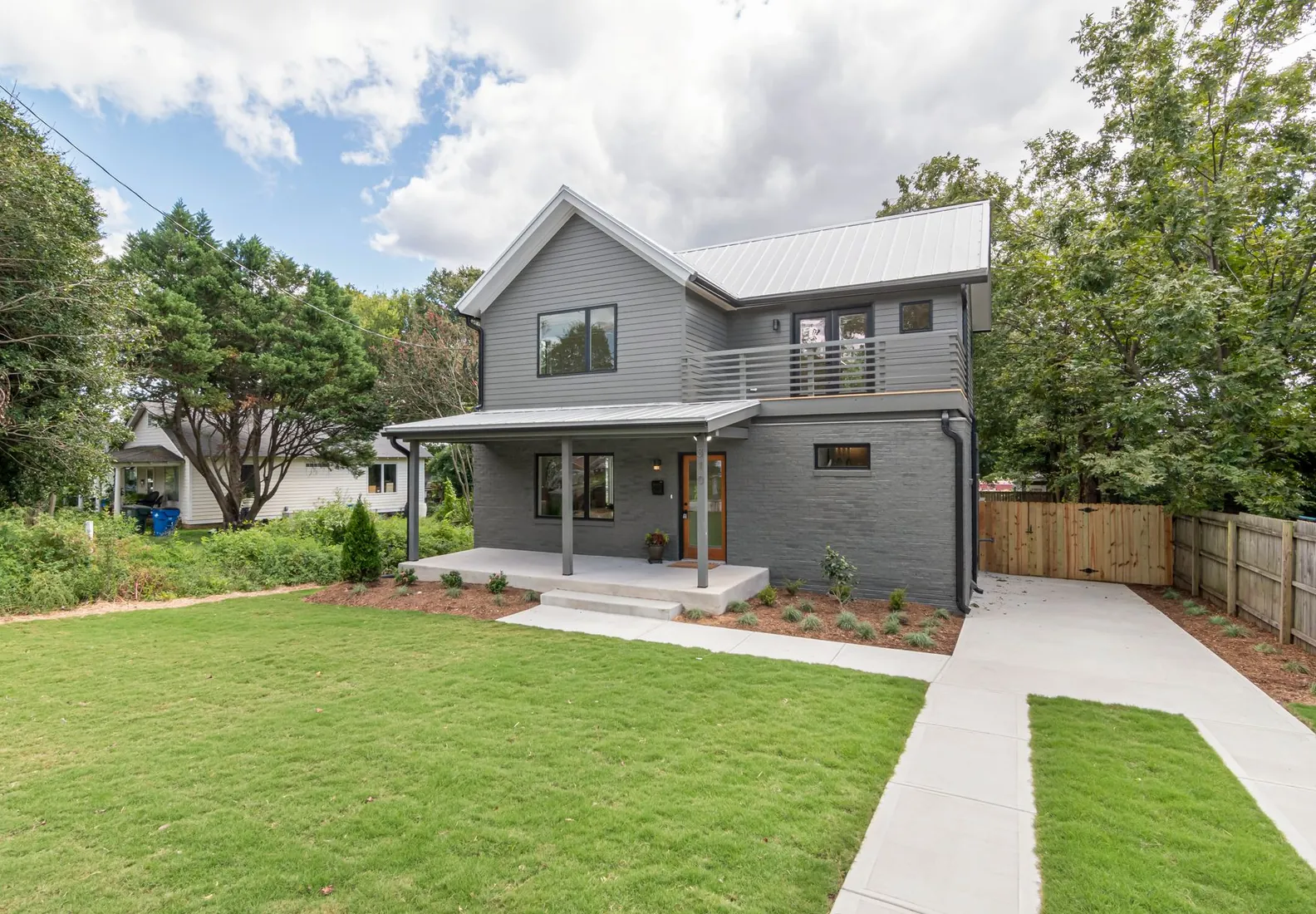
Request a concrete quote
List what you want poured, the rough size and the load, plus how far it is from the road. The contractor returns your call to go over it.
- Free quotes
- Sized for the load
- Footings below frost
- Homes, shops, commercial
Rough numbers are fine. Quotes are free.
Concrete work
Six kinds of concrete for valley properties
From the driveway in to the shop out back, each one is sized for what it has to carry.
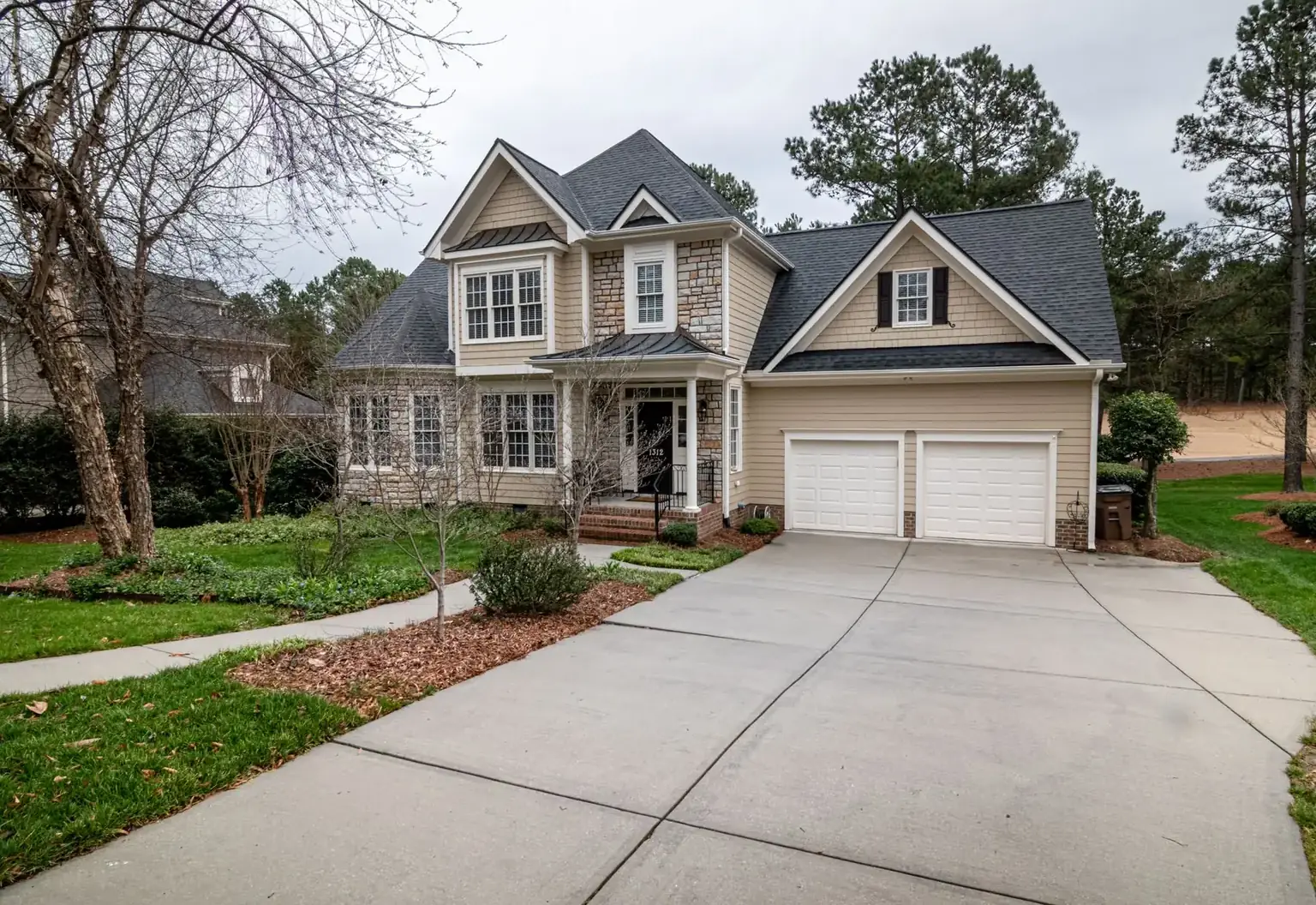
Driveways
Long driveways, turnarounds and replacements, thickened where trucks and trailers roll.
More on driveways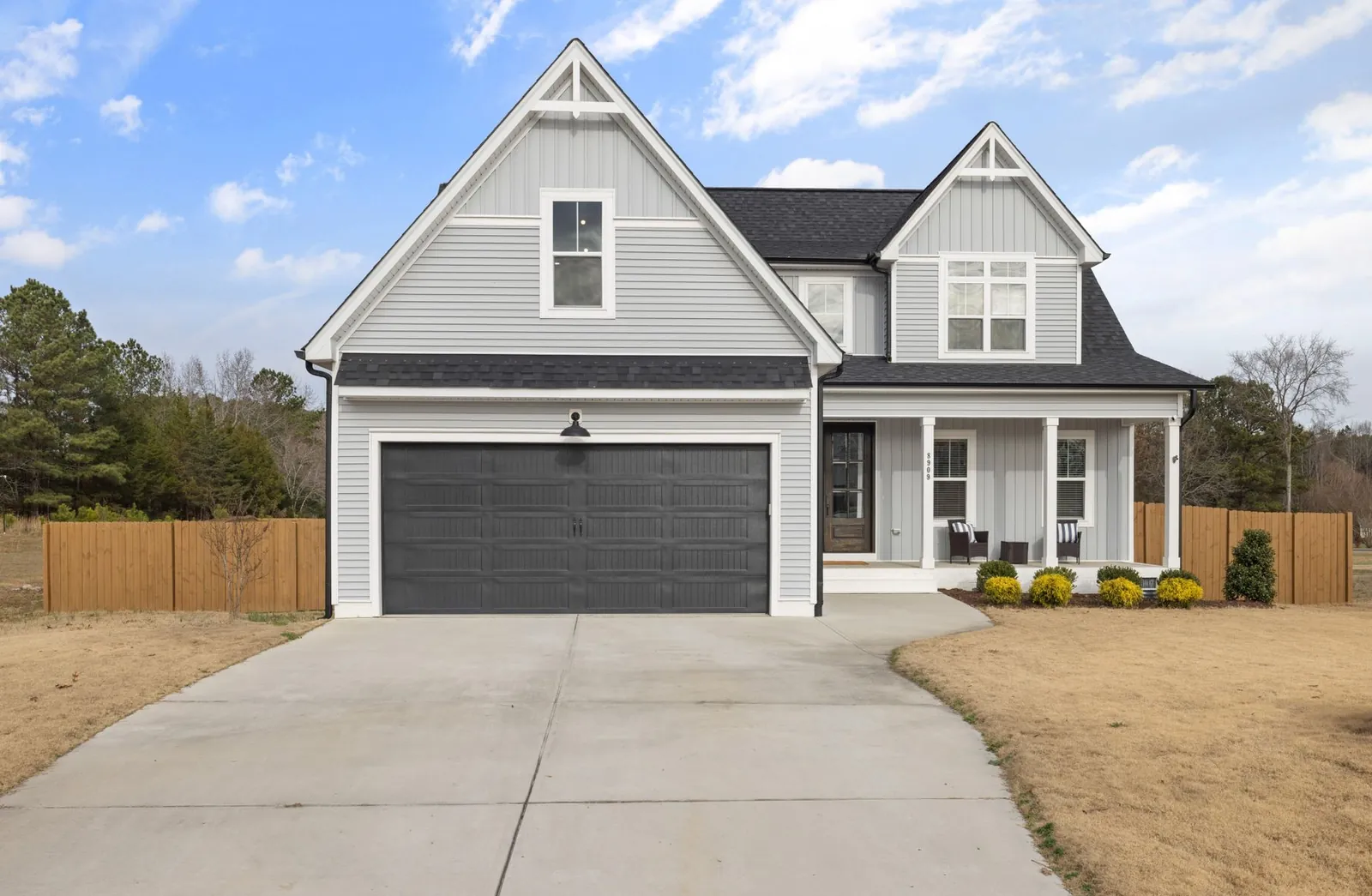
RV & Trailer Pads
Thick pads for campers, boats, horse and utility trailers, with an approach that is easy to back onto.
More on rv & trailer pads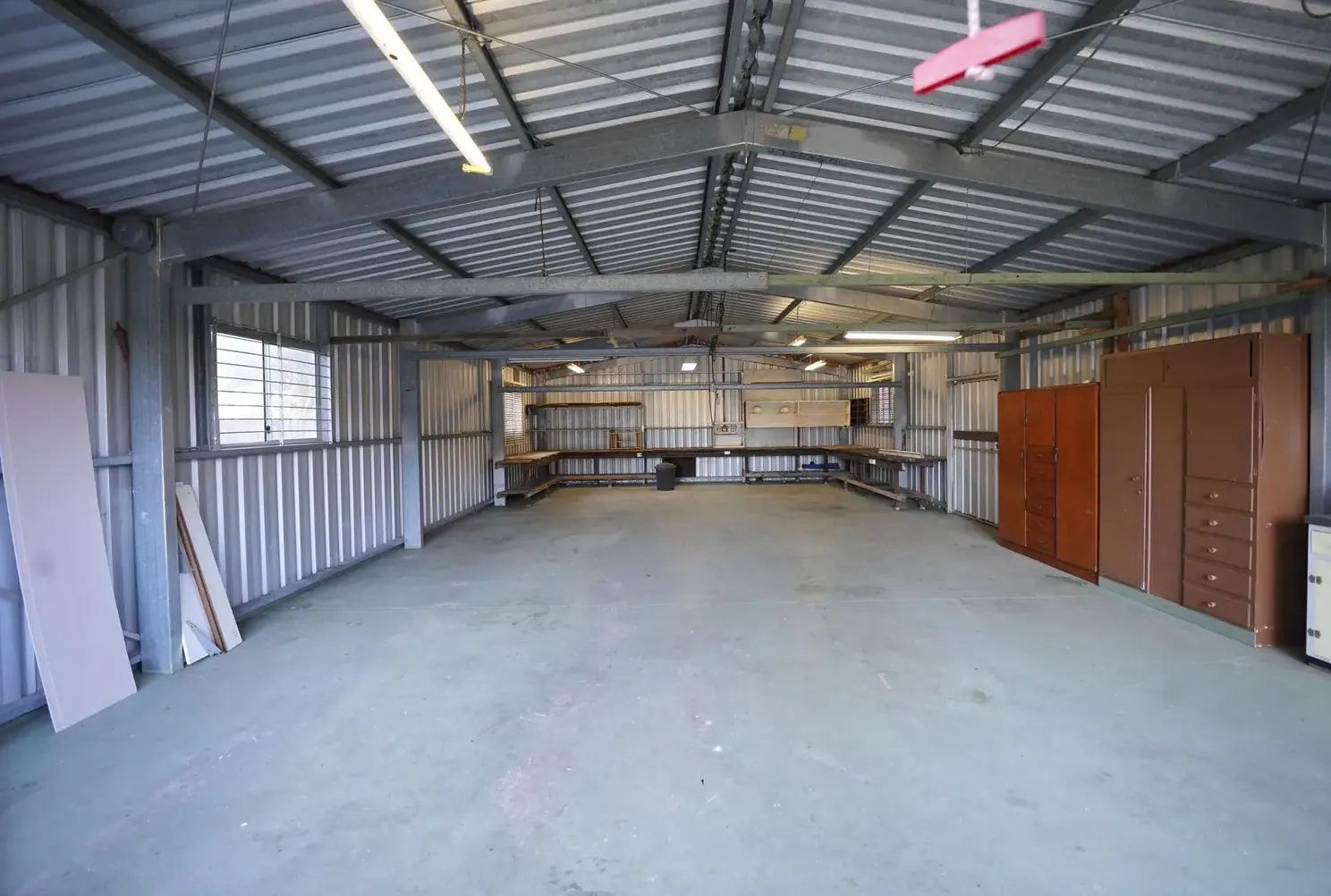
Shop & Garage Slabs
Slabs and footings for detached garages and shops, poured flat and smooth for lifts, benches and equipment.
More on shop & garage slabs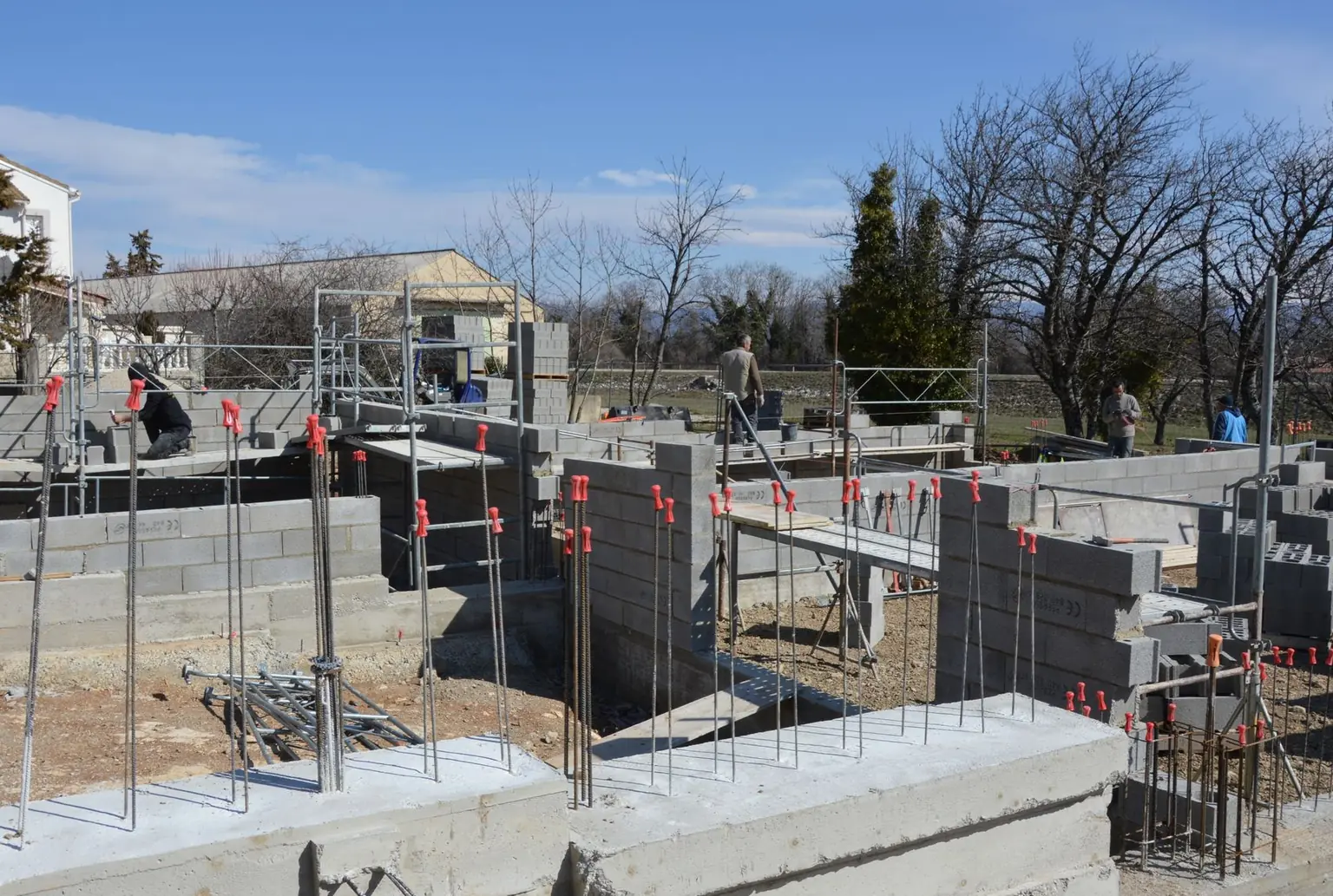
Foundations & Footings
Footings and foundation walls for garages, shops, additions, sheds and decks, dug below the frost line.
More on foundations & footings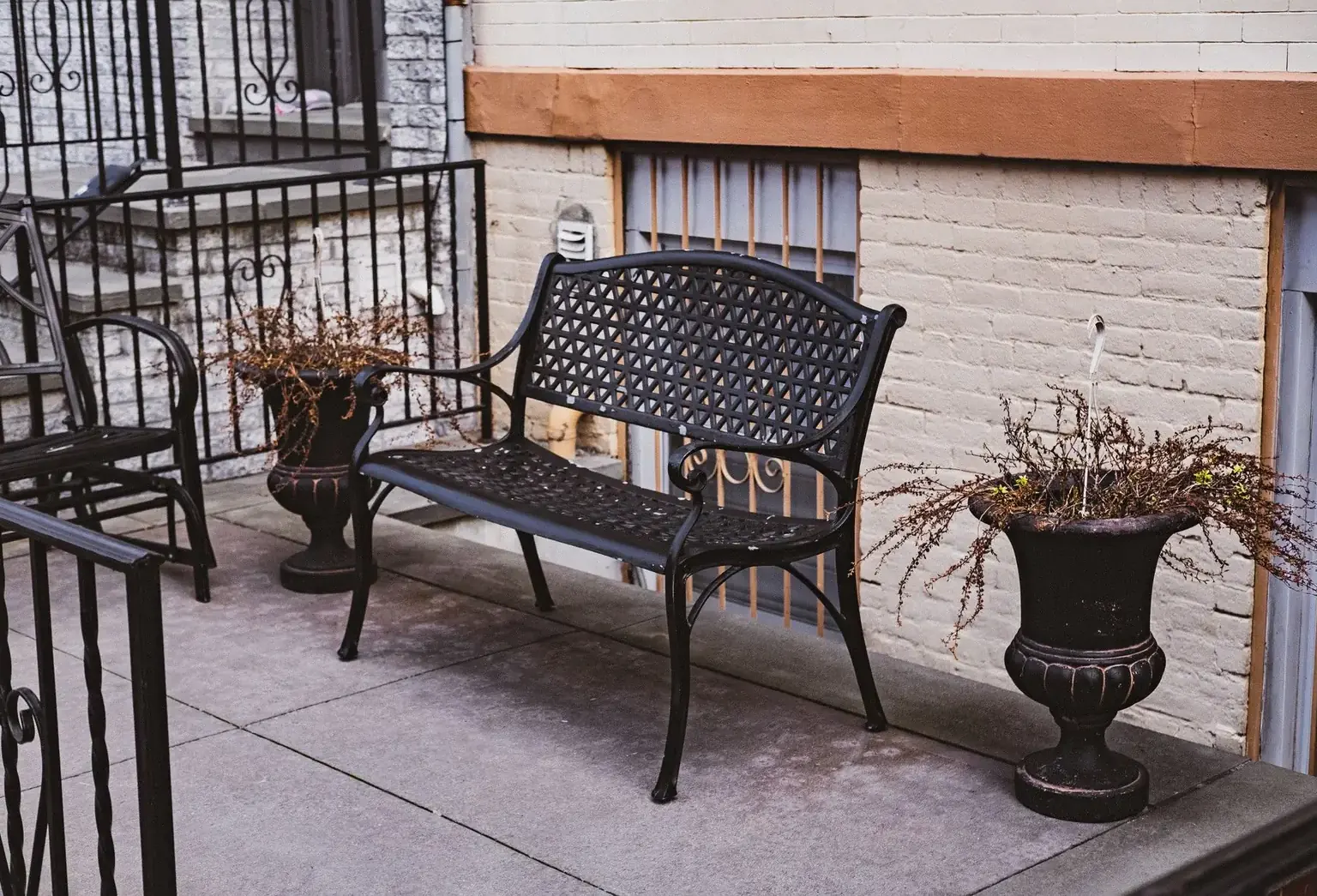
Patios
Backyard patios with broom, colored or stamped finishes, placed with the afternoon sun and the wind in mind.
More on patios
Retaining Walls
Block and poured walls that hold back slopes, carve out level pads and keep driveways from washing out.
More on retaining walls
Examples
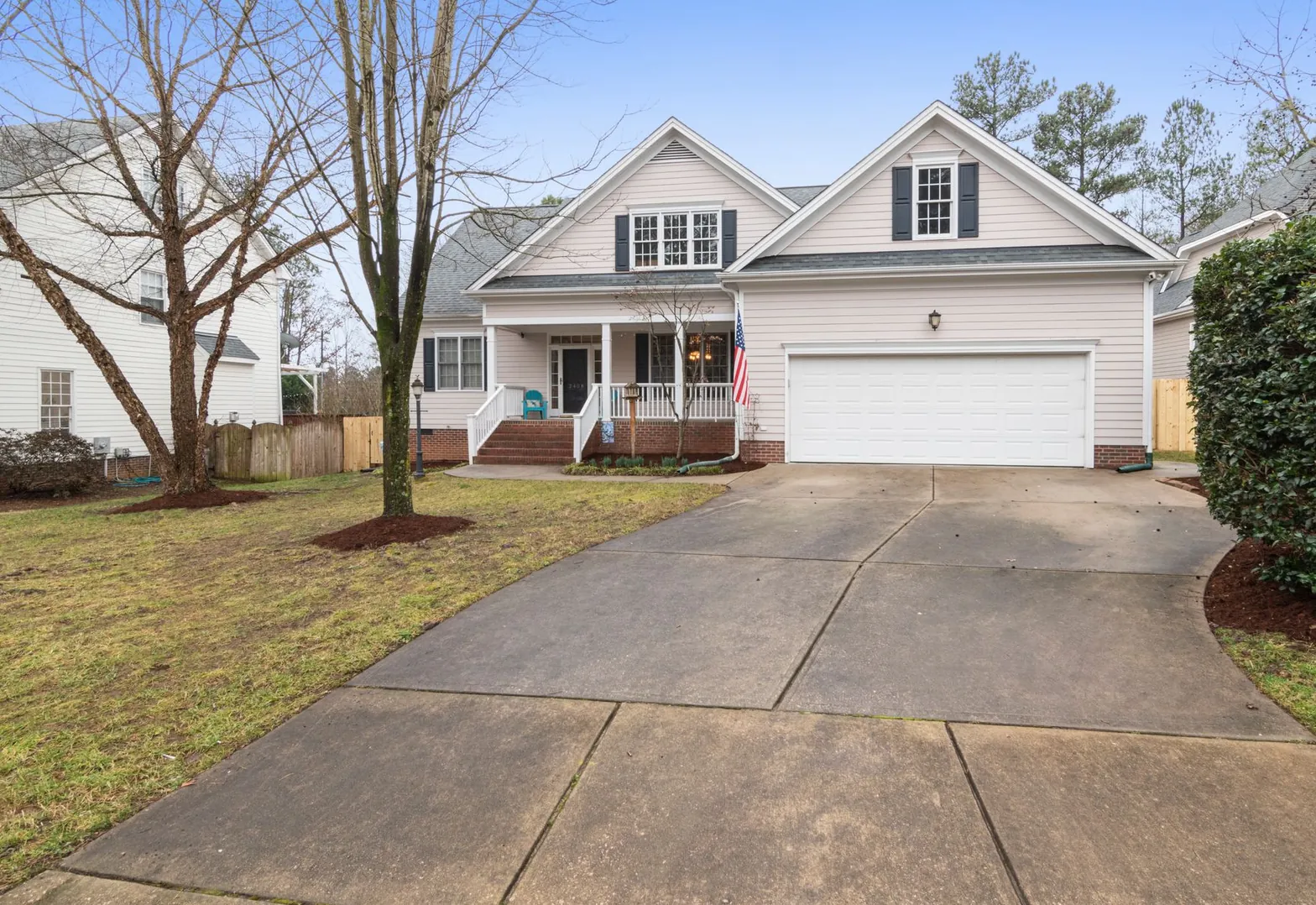
Examples: long drives, RV pads and shop slabs
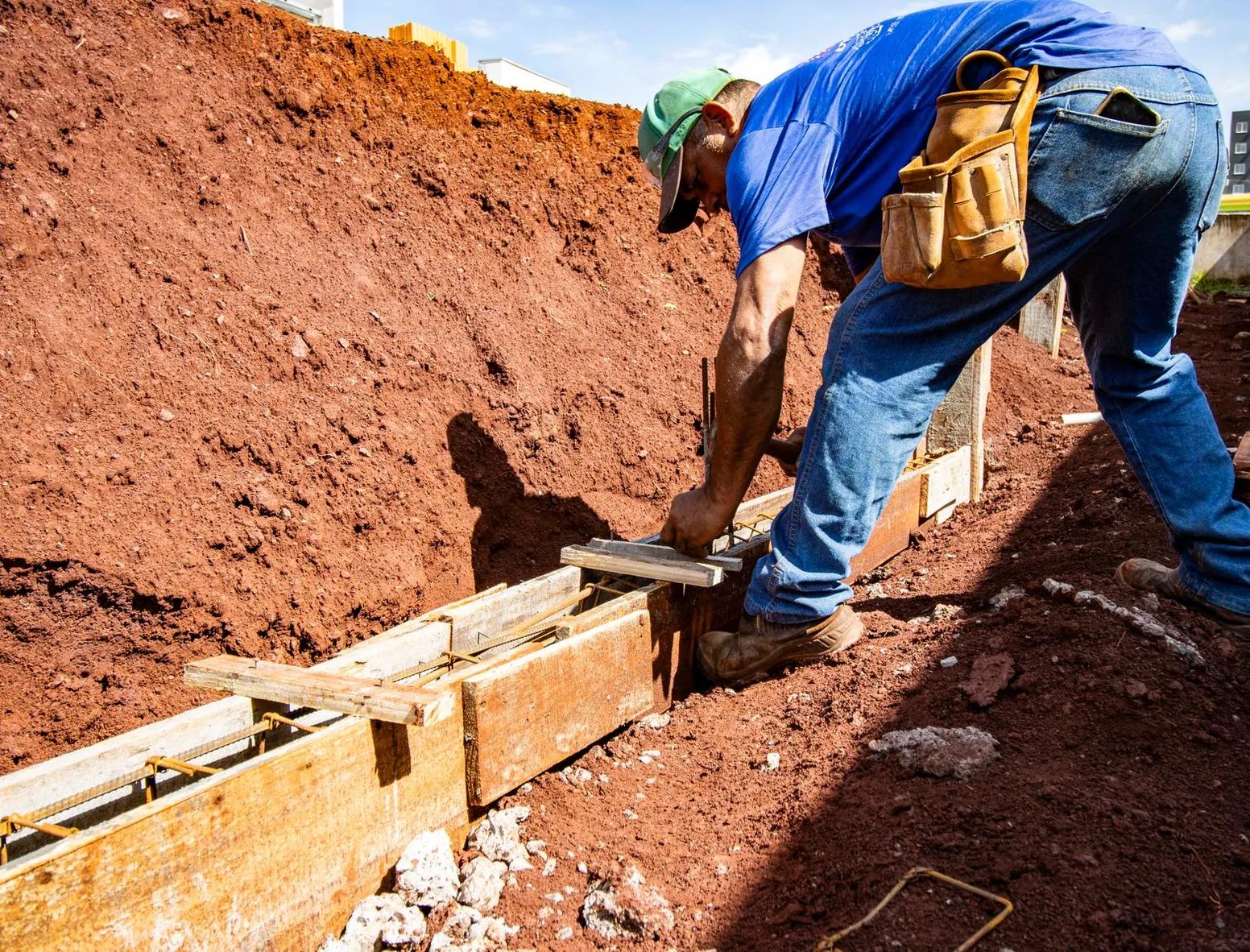
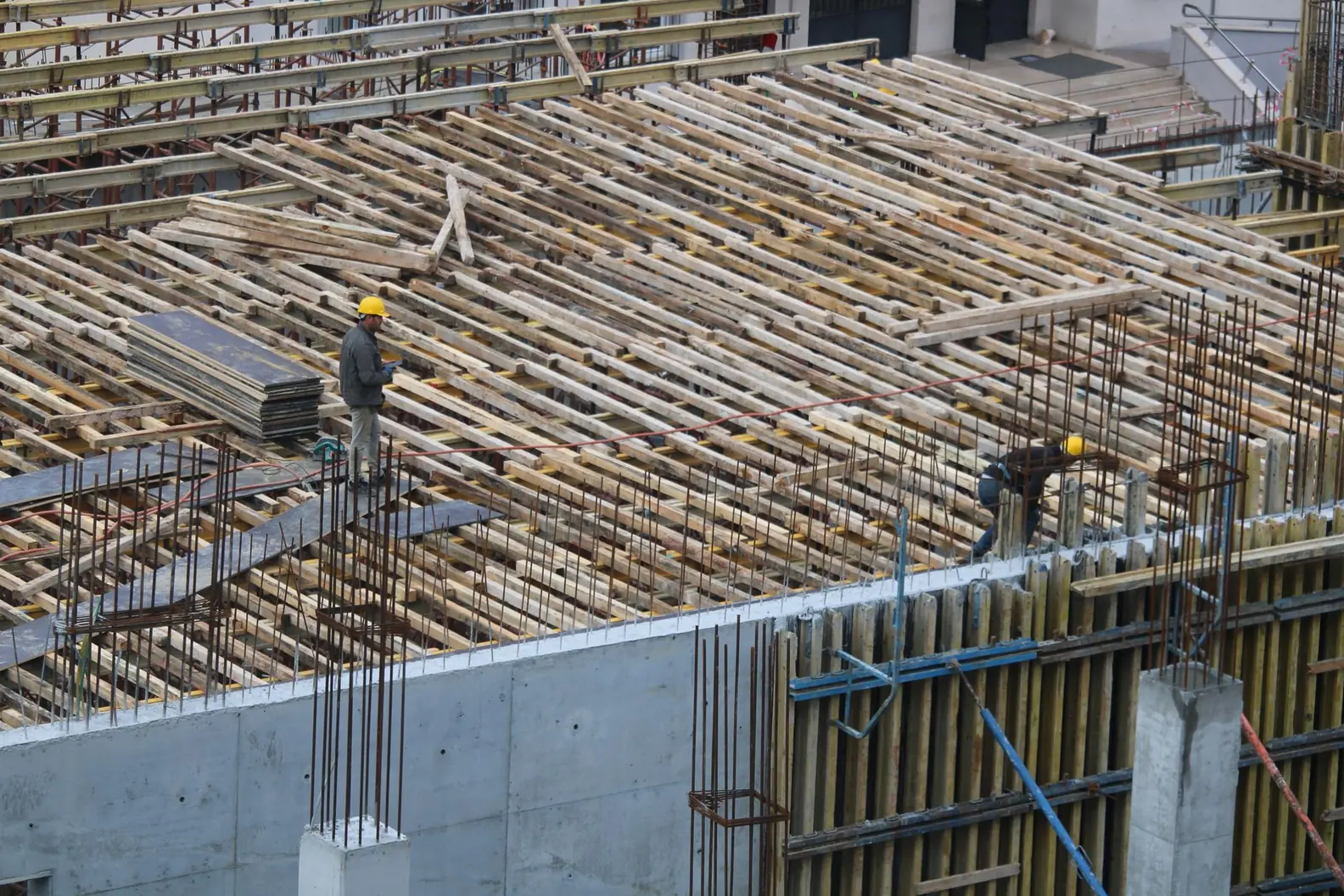
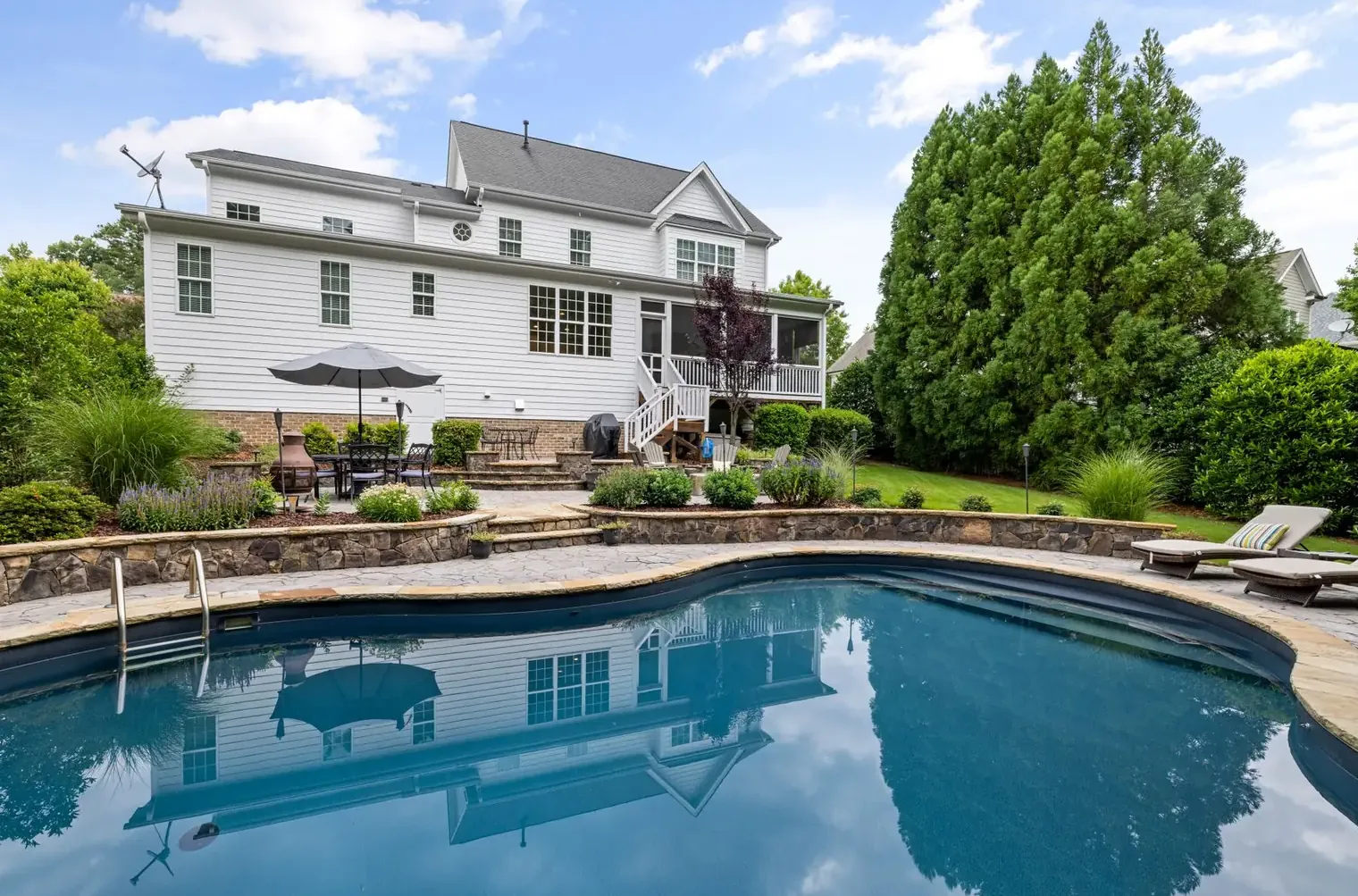
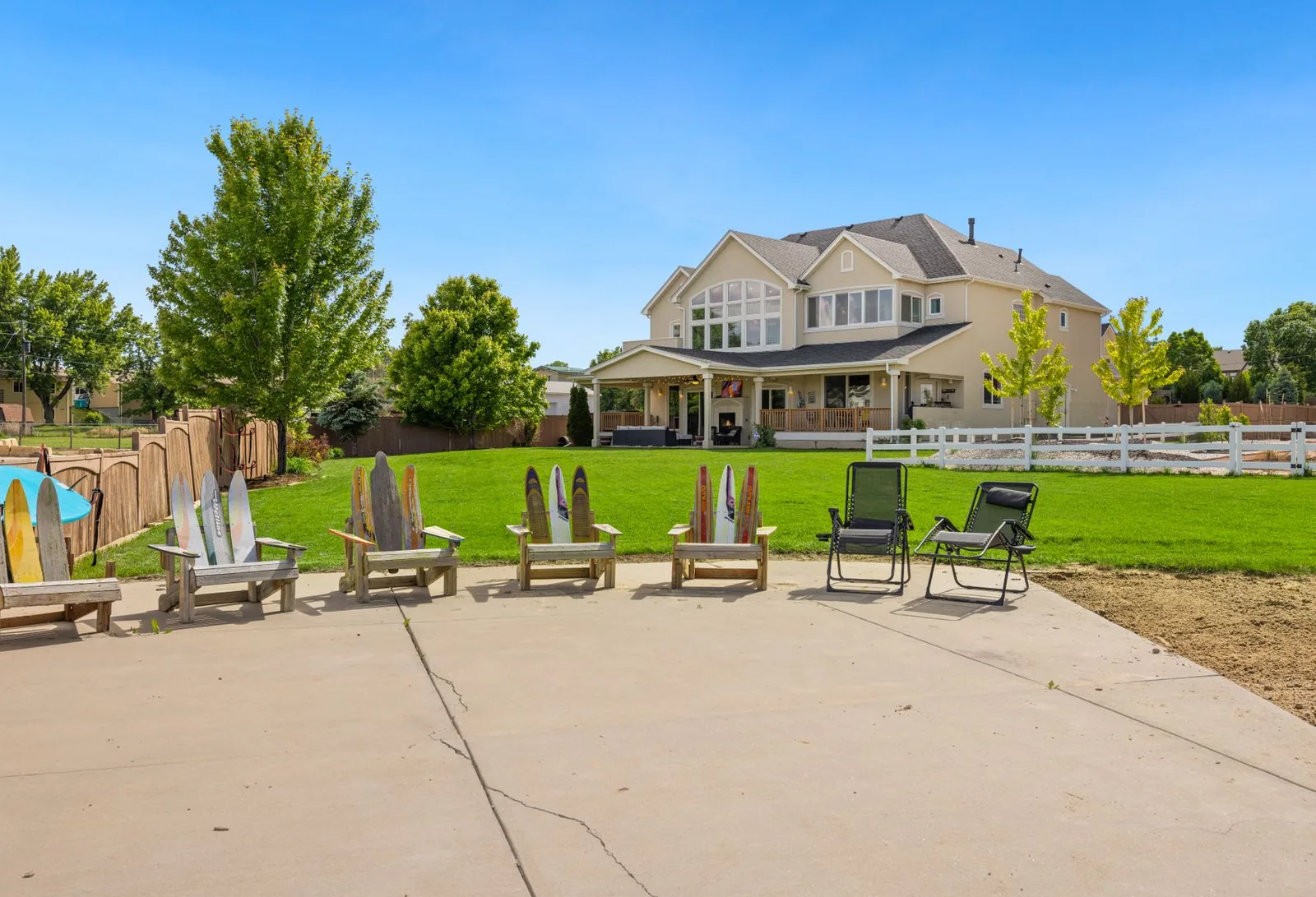
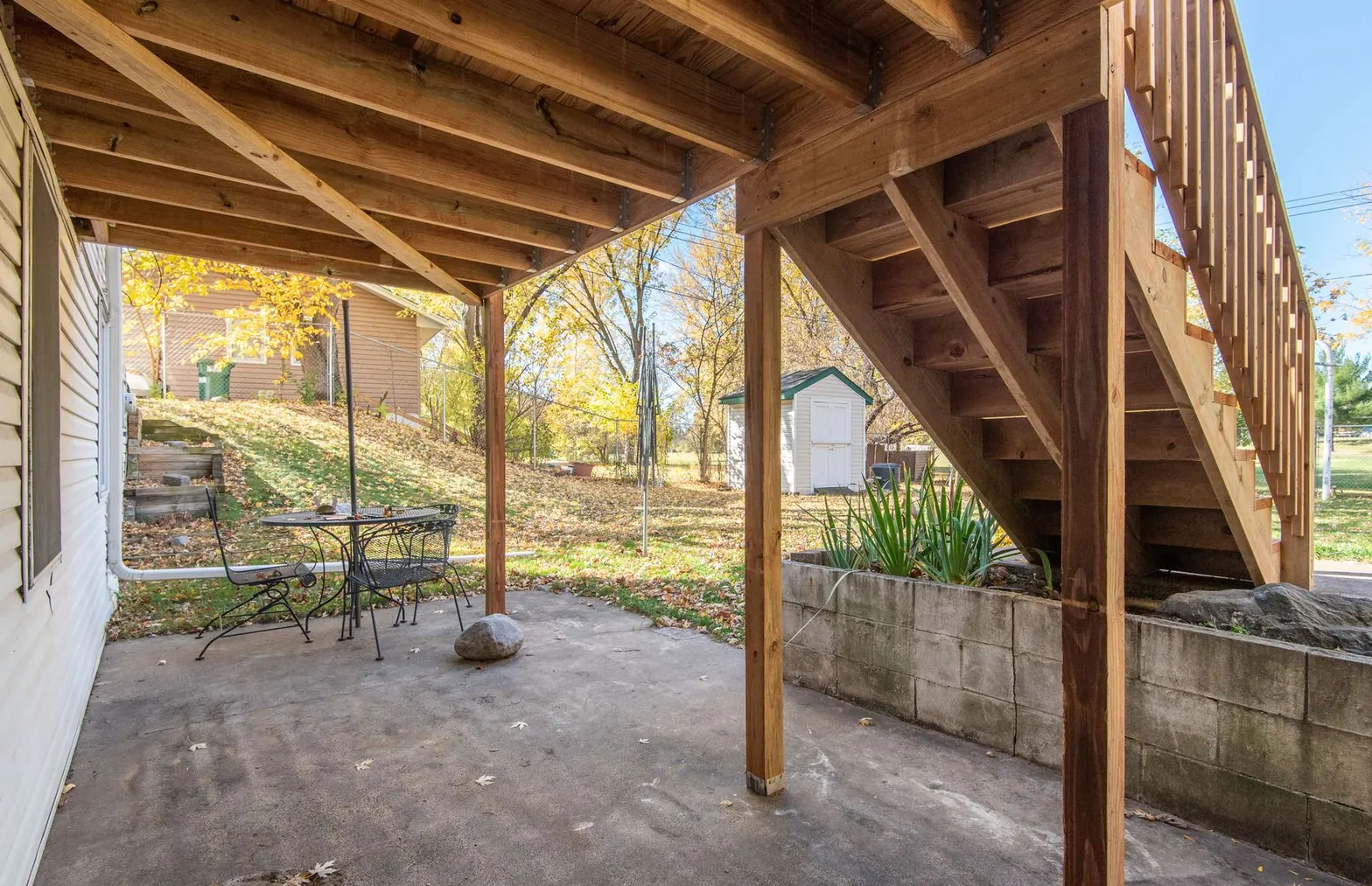
Stock photos: examples of the work type.
Built for the load, the wind and the winter
Concrete in the Tooele Valley works a little differently than it does on a tight city lot. Lots are bigger, driveways are longer, and much of what gets parked on them is heavy: pickups, trailers, campers, equipment. Wind comes across open ground with little to slow it down, and winters run cold and long. So every job starts with three questions. What will sit on this concrete? How will the trucks get in to pour it? And where does the water go when the snow melts in March?
The load answer sets the slab. A slab that only sees cars is typically 4 inches thick. One that carries a camper, a loaded stock trailer or a work truck typically runs 5 to 6 inches or more, with thicker edges where tires roll on and off. Under it goes a compacted gravel base, deeper on soft ground, and rebar set on chairs. The access answer sets the plan for pour day. A loaded mixer is heavy, needs firm ground and room to turn, and its chute only reaches so far, so a pump truck is sometimes part of the plan.
The water answer keeps it all in one piece. Open land needs grading that moves runoff away from slabs and foundations, not toward them. Air-entrained concrete and a good sealer handle the freeze-thaw and the salt that rides home on every vehicle. We serve Tooele, Erda, Stansbury Park, Lake Point and Stockton, and over the Oquirrhs to the Salt Lake Valley and northern Utah County, for homes, shops and commercial properties. Quotes cost nothing, and the contractor who answers your request is the one who comes out to look.
Questions
Common questions, plain answers
How do you build concrete for Tooele Valley winters?
With air-entrained concrete, a gravel base that drains, enough slope to move snowmelt off and away, and control joints cut on time. Footings go below the frost line. Keep de-icing salt off new concrete the first winter, and seal driveways and pads once they have cured, since salt comes home on every truck.
Do I need a permit for a shop slab or driveway?
A shop or garage with footings nearly always involves a building permit, from the city or, outside city limits, from the county. A driveway approach onto a public road usually needs one too. A plain slab on your own land may not. Before any digging, rural lots included, 811 gets called.
How much does concrete cost out here?
It comes down to the yardage, the thickness, the base and dirt work, the steel, the finish, and how easy it is to get trucks to the forms. Long driveways, a deep base on soft ground and a pump truck all add to it, and so does old concrete that has to come out first. The quote is free and lists each part.
What towns do you cover?
Tooele, Erda, Stansbury Park, Lake Point and Stockton in the valley, Cedar Fort, Eagle Mountain and Saratoga Springs to the southeast, and across the Oquirrhs to Magna, Herriman, West Jordan, Salt Lake City, Lehi, Orem and Provo. All 36 are listed on the service area page.
How long before I can park on new concrete?
Walk on it in a day or two and drive cars on it in about a week. Heavy trucks, loaded trailers and RVs should wait longer, often closer to a month, because concrete reaches its full strength around 28 days. Cold weather slows all of it down.
Can you pour a long driveway in one go?
Usually, with planning. A long driveway may take several trucks spaced so the finishers keep pace, a pump if the chute cannot reach, or a pour split into sections on different days with a construction joint between them. The quote spells out which approach fits your site.
Do you work through the winter?
Foundations, footings and some slab work keep going in the cold months. The ground is kept from freezing, fresh concrete goes under blankets, and nothing is poured on frozen soil. Driveways, patios and big outdoor pads mostly wait for the stretch from spring to fall, when nights stay above freezing.
Good to know
Things that matter more out here
Plan the truck route
A loaded ready-mix truck can weigh 30 tons or more, and it does not like soft ground, sharp turns or low wires. Know where it will park and how far the concrete has to travel. If the chute cannot reach, a pump truck can, and that is better settled before pour day.
Thicker where it counts
The whole driveway does not have to be 6 inches thick. Put the extra depth where the heavy rigs park and turn, like the RV pad and the area in front of the shop door, and thicken the edges where tires run close to the side.
Wind and fresh concrete
Dry wind pulls water out of the top of a fresh slab fast, which can open small shrinkage cracks before the concrete has even set. On windy days, finishing moves quicker and curing compound goes on right behind it. Some pours are better moved to a calmer morning.
Footings below frost
Ground in this part of Utah typically freezes to around 30 inches, and high or exposed sites can freeze deeper. Shop and garage footings have to bottom out below that line. The city or county building department has the final word on the depth for your site.
How it works
How a job runs
- 1
Reach out
Phone or use the form. Say what you want built, how big, what will sit on it, and how far it is from the road.
- 2
Site visit
The contractor returns your call, then comes out to measure, look at the ground and plan where the trucks will go.
- 3
Dirt work and forms
Lines get marked through 811, the site is dug, graded and compacted, and the base, forms and steel go in.
- 4
Pour and cure
Concrete is placed and finished, joints are cut, and the slab cures before it takes its full load.
Service area
Tooele and 35 towns across three counties
We cover Tooele, Erda, Stansbury Park, Lake Point and Stockton in the valley, plus towns across the Salt Lake Valley and northern Utah County as far as Provo.
Tooele County
Salt Lake County
Tell us what it has to carry
The size, the load and the distance from the road are enough to start a free quote.